
Verlichting per voertuigtype.
Elk voertuigtype heeft zijn eigen verlichtingsrealiteit — spanning, montagepunten, regelgeving, werkomgeving. Kies de categorie waarop u werkt en de pagina behandelt wat past, wat conform is en wat te vermijden.
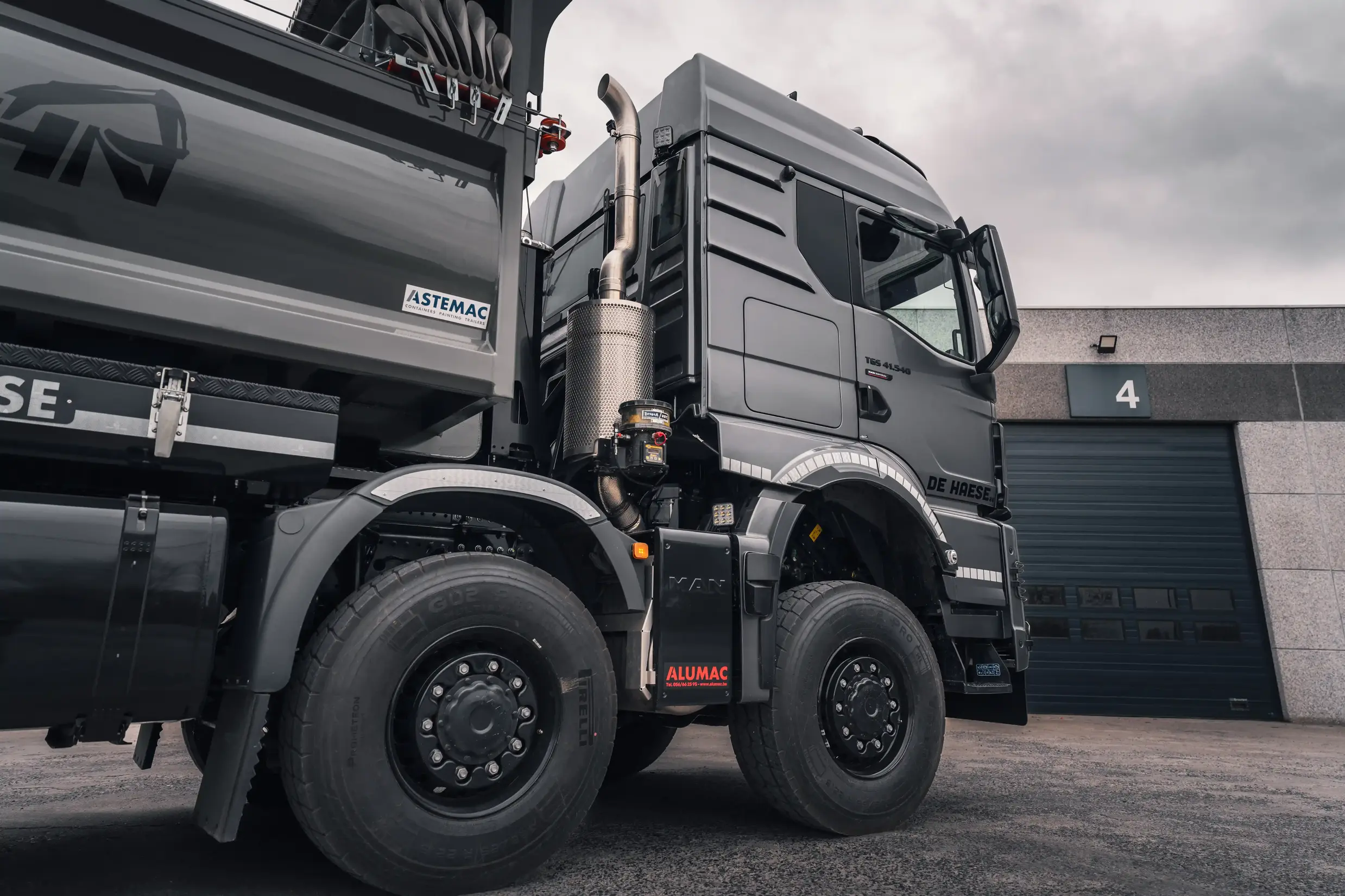
Vehicle category · Vrachtwagen Verlichting
Truck lighting — heavy-haul, distribution, vocational.
Trucks above 7.5 tonnes operate on 24V architectures with CAN-bus monitoring of every primary lamp. The lighting decisions on these vehicles are tightly bounded by ECE R48 (installation), R10 (EMC) and the OEM's own load-dump and harness rules. This page explains what fits where and links to per-brand deep dives.
Read more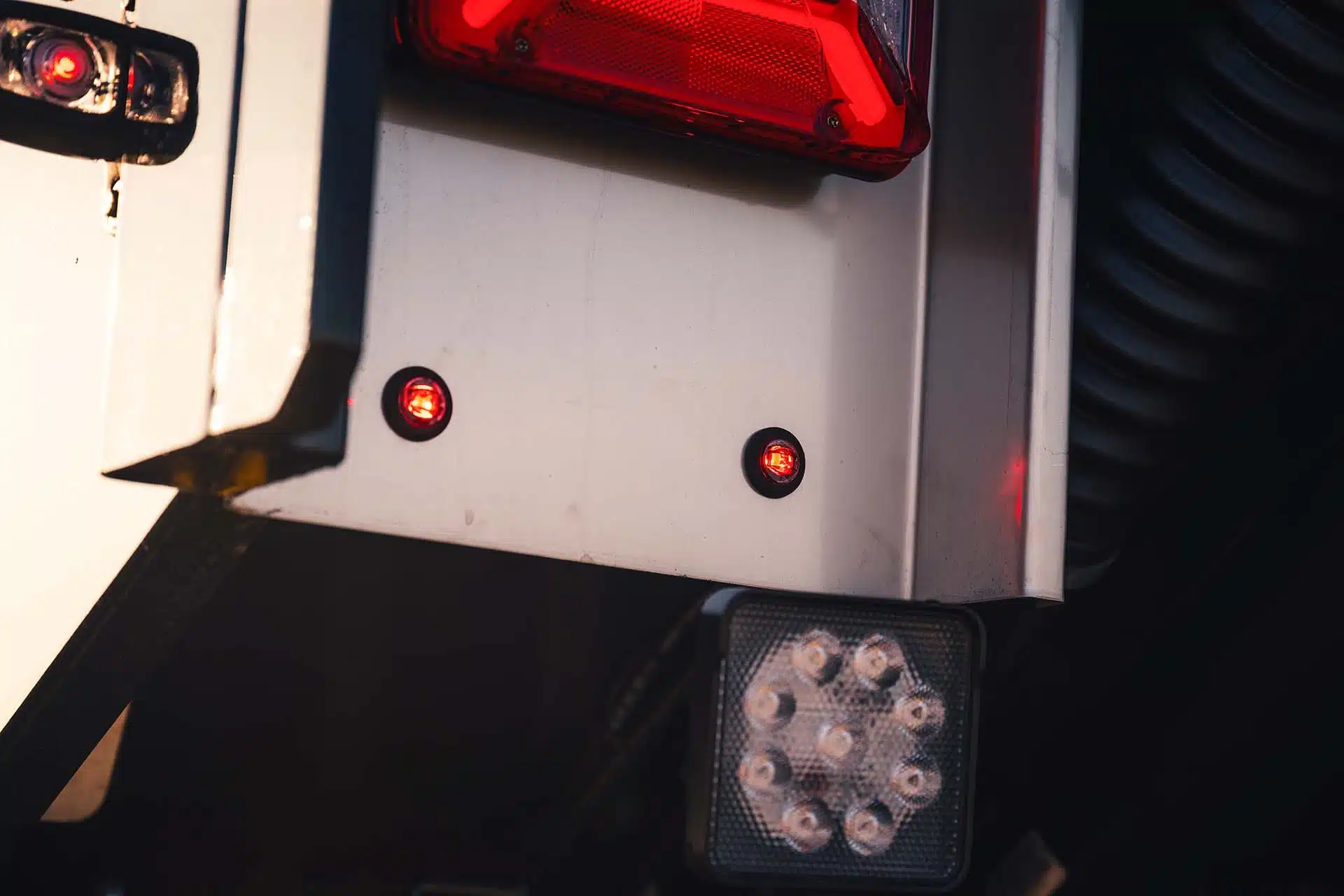
Vehicle category · Trailer Verlichting
Semi-trailer lighting — markers, rears, end-outline.
A semi-trailer takes more lamps than the tractor pulling it: side markers every 3 metres, end-outline markers at the corners, twin rear combinations, licence-plate lamps, and on tank or curtain-side variants additional under-running protective lamps. This page covers the spec, the failure modes, and what to fit on which trailer type.
Read more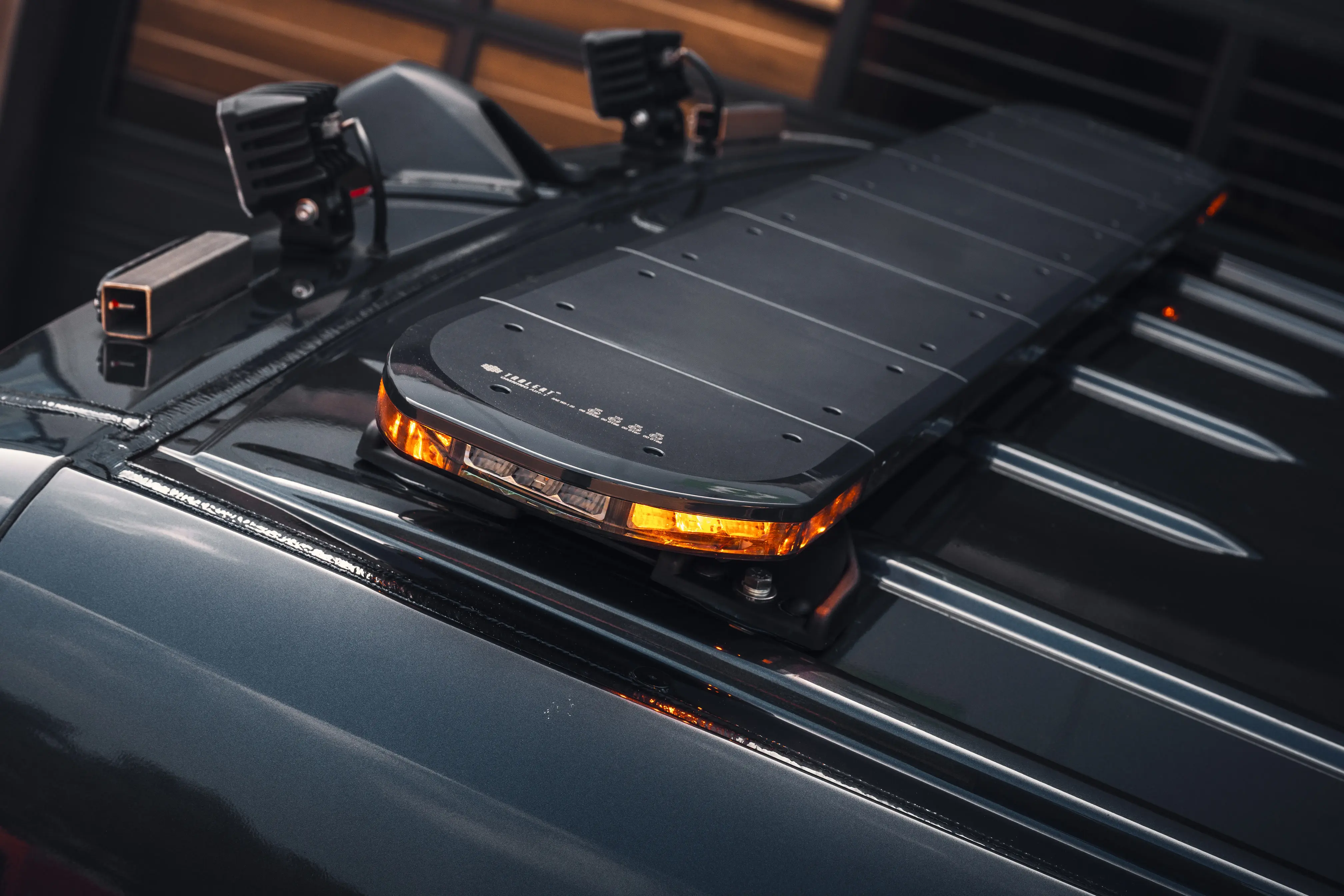
Vehicle category · Bedrijfswagen Verlichting
Light commercial vehicle lighting — vans, sprinters, transporters.
Light commercial vehicles (Mercedes-Benz Sprinter, Volkswagen Crafter, Ford Transit, Renault Master, Iveco Daily, Fiat Ducato) run 12V passenger-car-style electrical architectures even when their bodies look truck-shaped. The lighting decisions here are closer to a car retrofit than a heavy-truck install — different fuses, different cable cross-sections, smaller power budget.
Read more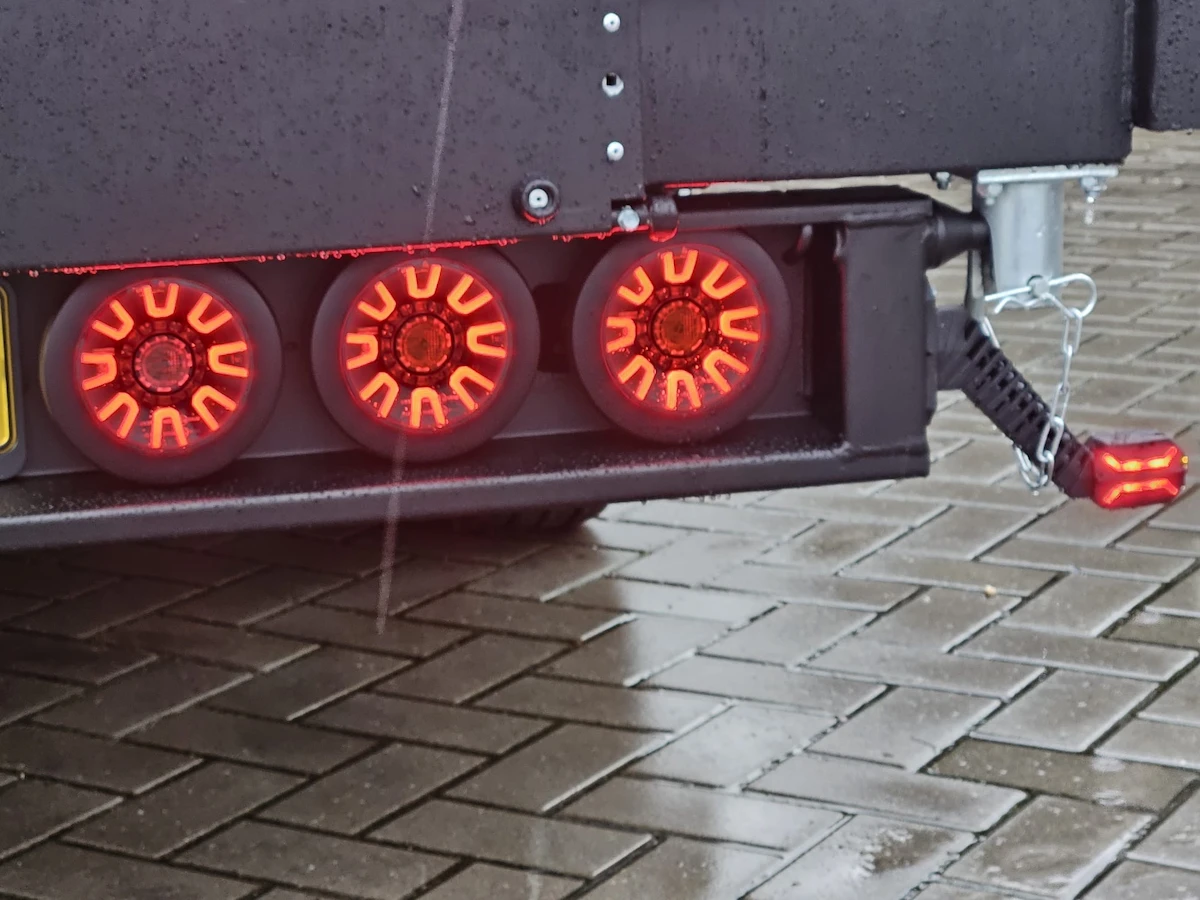
Vehicle category · Aanhanger Verlichting
Trailer lighting — small trailers and tow-behinds.
Single-axle and tandem-axle trailers towed by passenger cars or vans run on the simplest electrical systems on the road: 12V, no CAN-bus, and a 7-pin or 13-pin connector to the towing vehicle. The lighting decisions are also the simplest — but get them wrong and the trailer fails its annual inspection.
Read more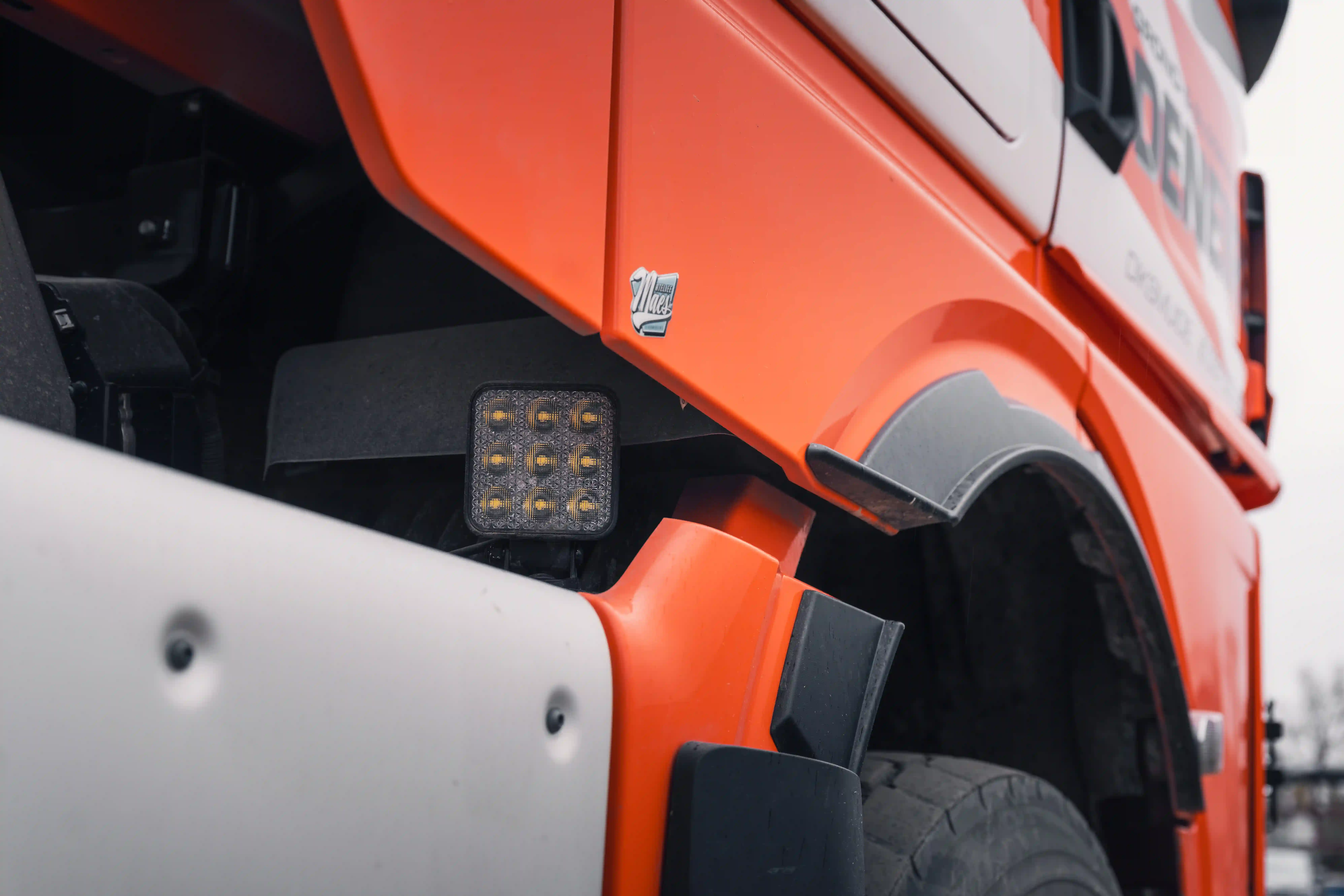
Vehicle category · AGRI & GRONDVERZET Verlichting
Agri and earth-moving lighting — tractors, dumpers, loaders.
Agricultural tractors, articulated dumpers, wheeled loaders, dozers, excavators and the wider earth-moving fleet face working conditions that no other vehicle category sees: 18-hour shifts under floodlight in autumn, dust storms on quarry roads in summer, sub-zero starts in winter. Lighting on these machines is a productivity tool, not a compliance afterthought.
Read more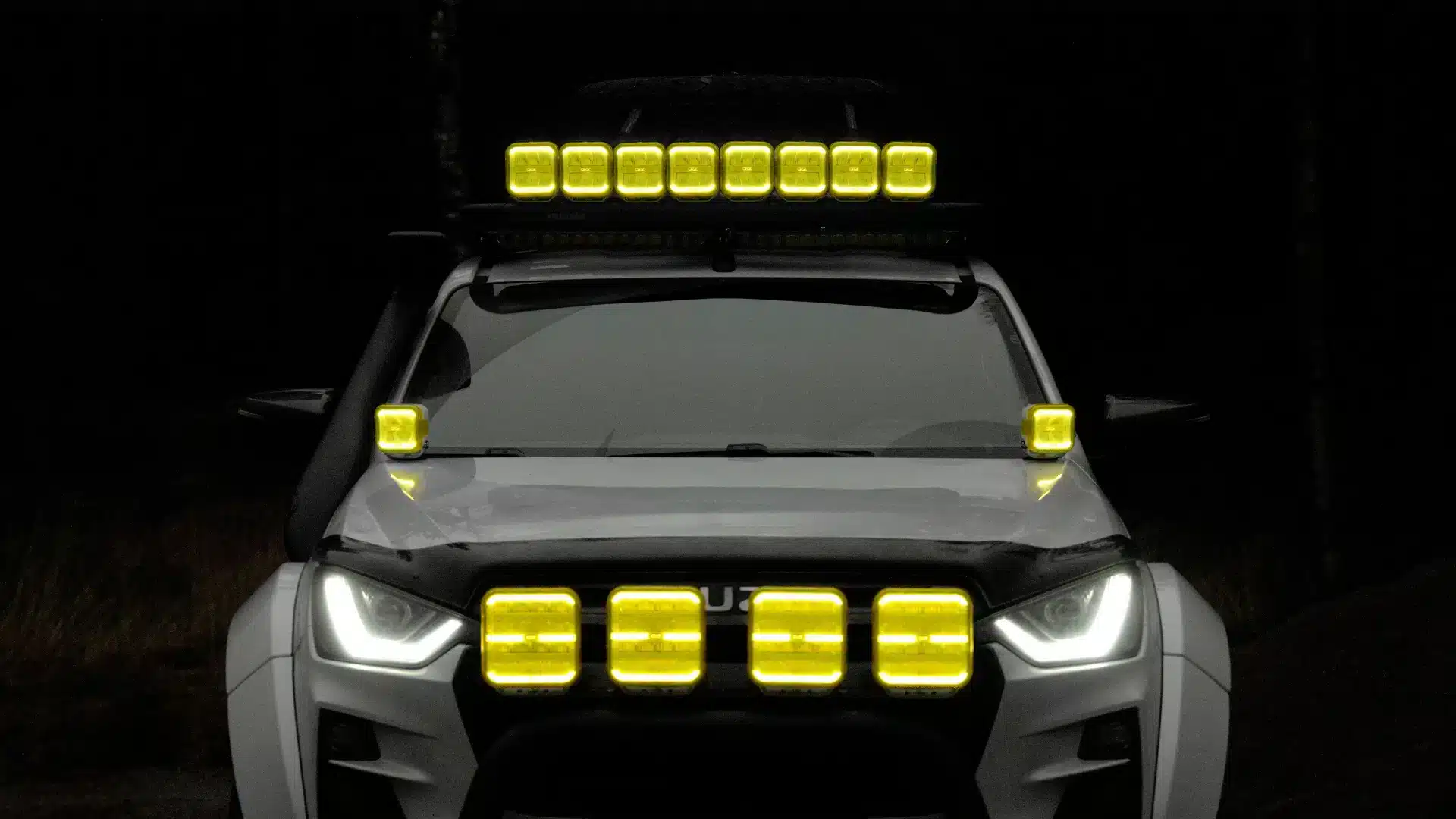
Vehicle category · AGRI WERKTUIG Verlichting
Agricultural implement lighting — ploughs, balers, sprayers.
Towed and mounted agricultural implements (ploughs, harrows, seeders, balers, sprayers, fertiliser spreaders, slurry tankers) need their own lighting set when used on public roads. The rules are straightforward — same R7 / R148 standards as a small trailer — but the mounting environment is brutal, with constant exposure to soil, fertiliser, slurry, salt and impact damage from field debris.
Read more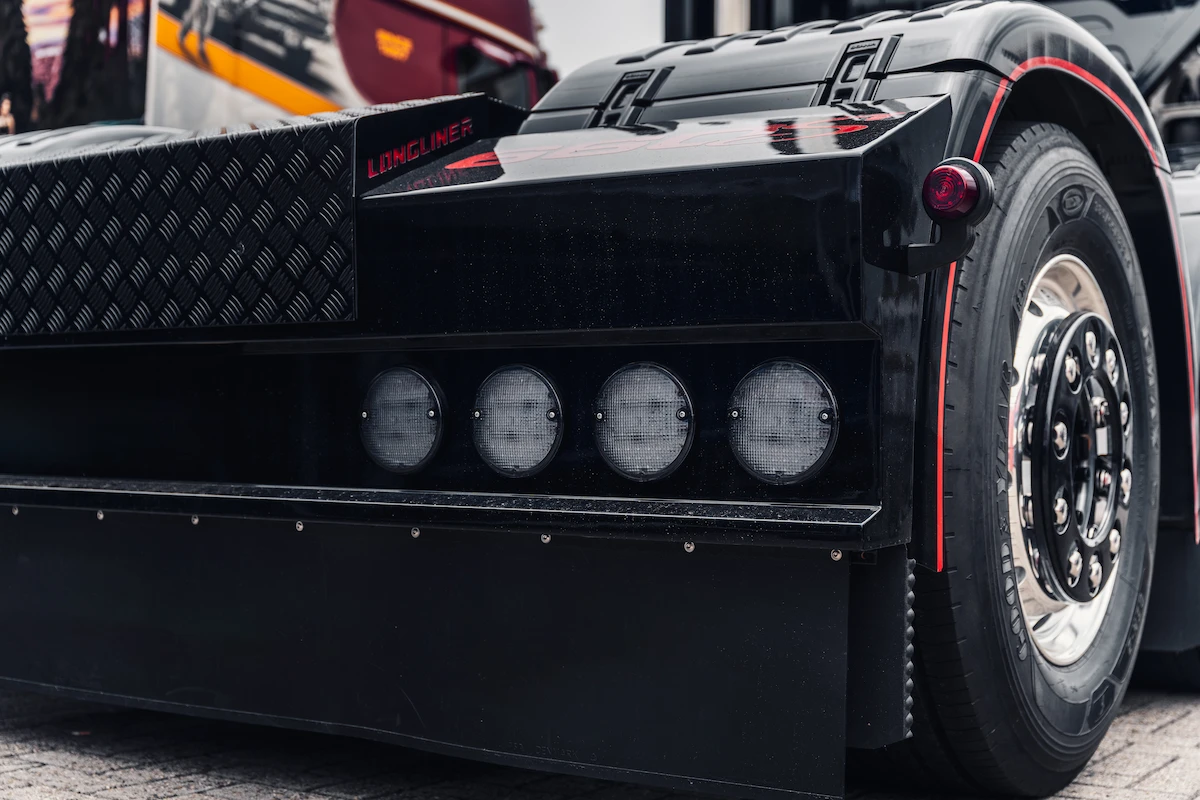
Vehicle category · 4×4 terreinwagen Verlichting
4×4 and off-road lighting — bars, driving lamps, expedition kit.
4×4 vehicles split into two distinct lighting use-cases: weekend off-road builds (recreational, day-trip overlanding, hunting access) and serious expedition setups (multi-month convoys, remote-area rescue, military adjuncts). The lamps that suit one don't always suit the other. This page covers both, plus links to the per-platform guides for Defender, Wrangler, Land Cruiser and others.
Read more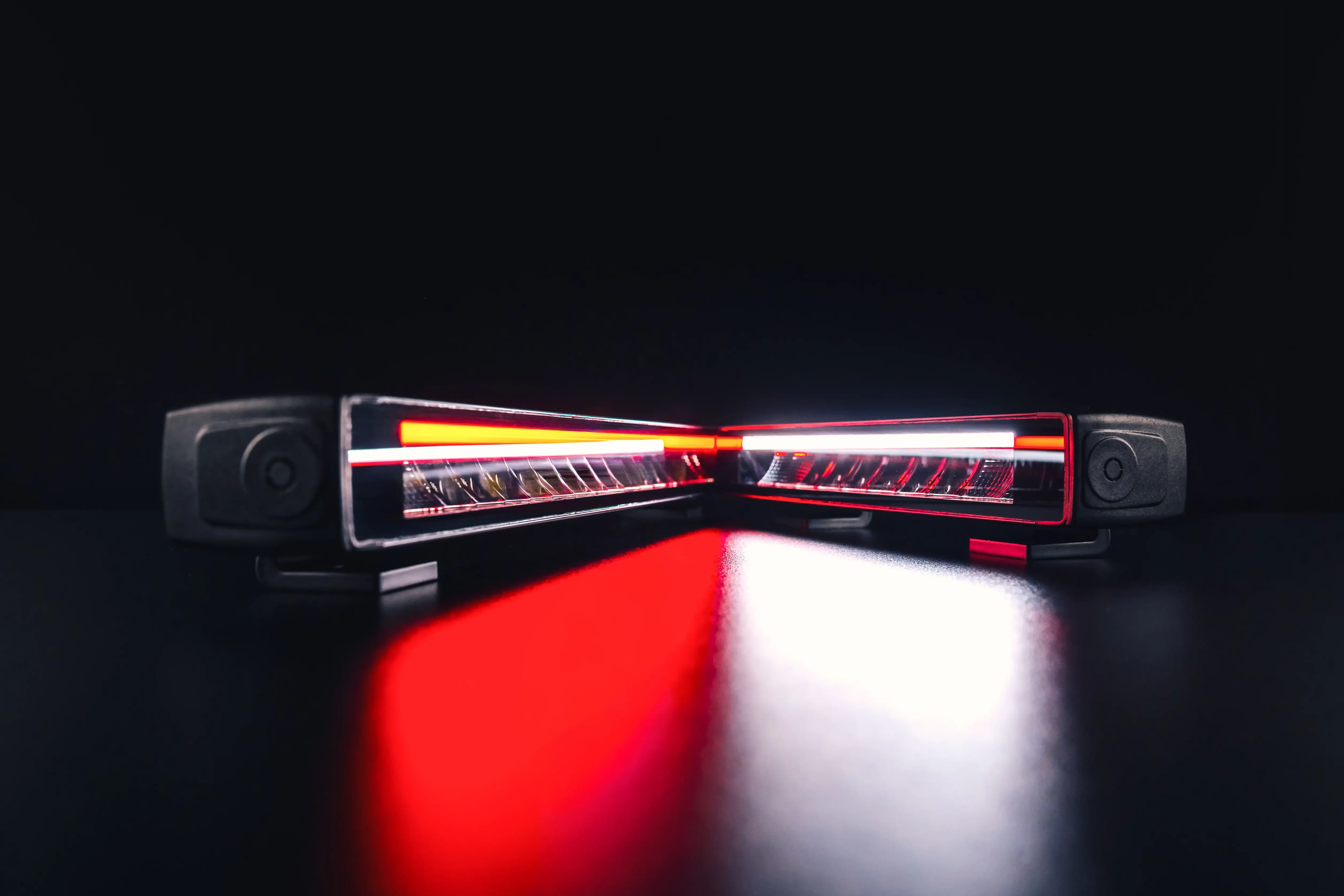
Vehicle category · Blauwlicht Verlichting
Emergency-services lighting — police, fire, ambulance.
Blue-light vehicles operate under stricter rules than any other category on European roads. The lamps themselves carry ECE R65 Class 2 approval (higher photometric output than the amber Class 1 used on service vehicles), the colour is permitted only on duty-authorised vehicles, and the operational use is regulated separately by national emergency-services law. This page covers the spec, the rules, and what we sell into the segment.
Read more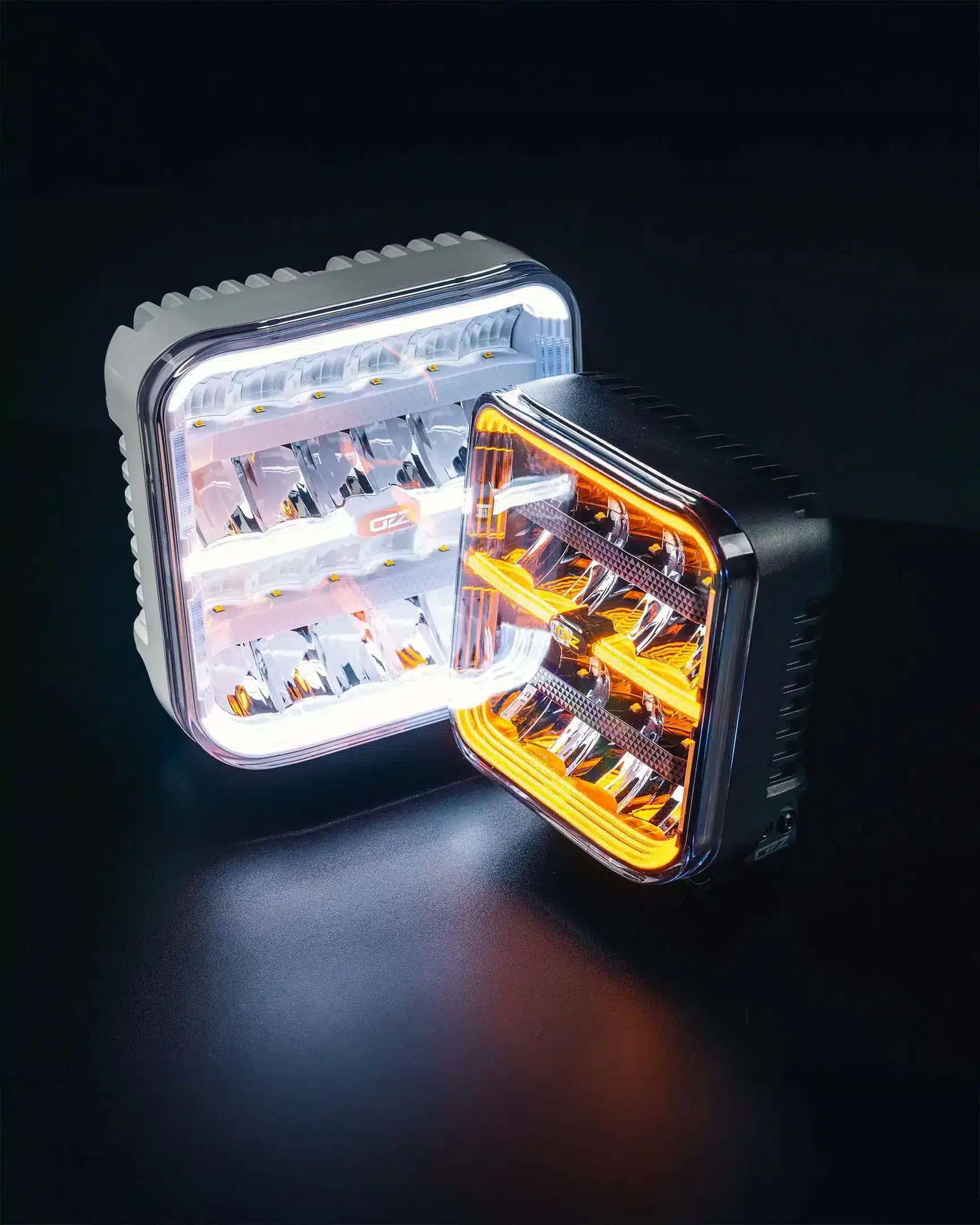
Vehicle category · Heftruck Verlichting
Forklift lighting — work lamps, beacons, blue-spot zones.
Forklifts spend 100% of their working life in environments with poor visibility — warehouse aisles, loading docks, cold-store interiors, manufacturing floors. The lighting decisions on a forklift are pure safety: the goal is to keep pedestrians and other equipment from walking into the truck's path. ECE rules don't apply (forklifts aren't road vehicles), but warehouse safety standards (ISO 3691, EN 1175) and individual operator-policy rules absolutely do.
Read more