
Vehicle category · 4×4 terreinwagen Verlichting
4×4 and off-road lighting — bars, driving lamps, expedition kit.
4×4 vehicles split into two distinct lighting use-cases: weekend off-road builds (recreational, day-trip overlanding, hunting access) and serious expedition setups (multi-month convoys, remote-area rescue, military adjuncts). The lamps that suit one don't always suit the other. This page covers both, plus links to the per-platform guides for Defender, Wrangler, Land Cruiser and others.
Laatst bijgewerkt 24 april 2026
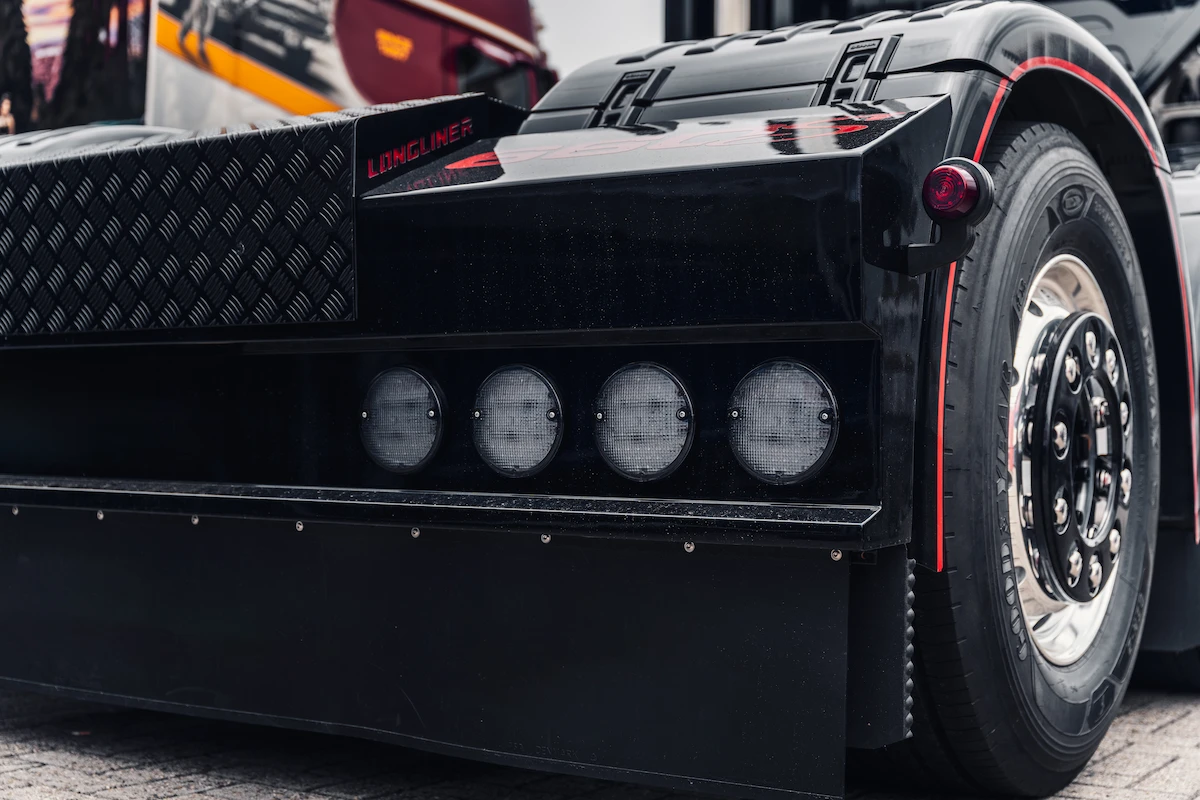
The on-road / off-road regulation split
Auxiliary lamps fitted to a 4×4 fall into two regulatory categories:
**Type-approved for on-road use**: ECE R112 / R149-approved driving lamps; ECE R7-approved DRLs and position lamps. These can be lit while the vehicle is on a public road, subject to high-beam interlocks (most countries: only with main-beam already on, and switched off at oncoming traffic).
**Off-road only**: SAE J1383 work lamps, "off-road only" light bars without an ECE mark. These must be physically off or covered when the vehicle is on a public road. Most European countries require the lamp to be covered with an opaque cap when not in use.
A typical mixed install: a forward-facing R149-approved 22" bar (legal high-beam aux) plus a roof-mounted off-road-only 42" bar (covered when leaving the trail).
Mounting positions, ranked
From most-used to least-used in real-world rigs:
**Bull-bar / bumper**: forward-facing, low-profile, classic position. Twin 7" round driving lamps or a 20–30" bar between fog-lamp housings. Good for trail visibility but vulnerable to impact damage on rough descent.
**A-pillar**: pair of small (3–5") cube lamps for low-speed scan beam. Useful for spotting trail markers and undergrowth at walking pace.
**Cab roof front**: 32–42" bar pointing slightly upward, illuminates the canopy and middle-distance trail. The most useful single position for night driving.
**Rear**: pair of work lamps facing backward for reversing, hitching, and recovery. Often paired with a rear scene-lighting flood for camp setup.
**Rock lights**: small white LEDs mounted under the chassis pointing at the wheels, for spotting line through rocks at very low speed. Niche but essential for technical rock-crawling.
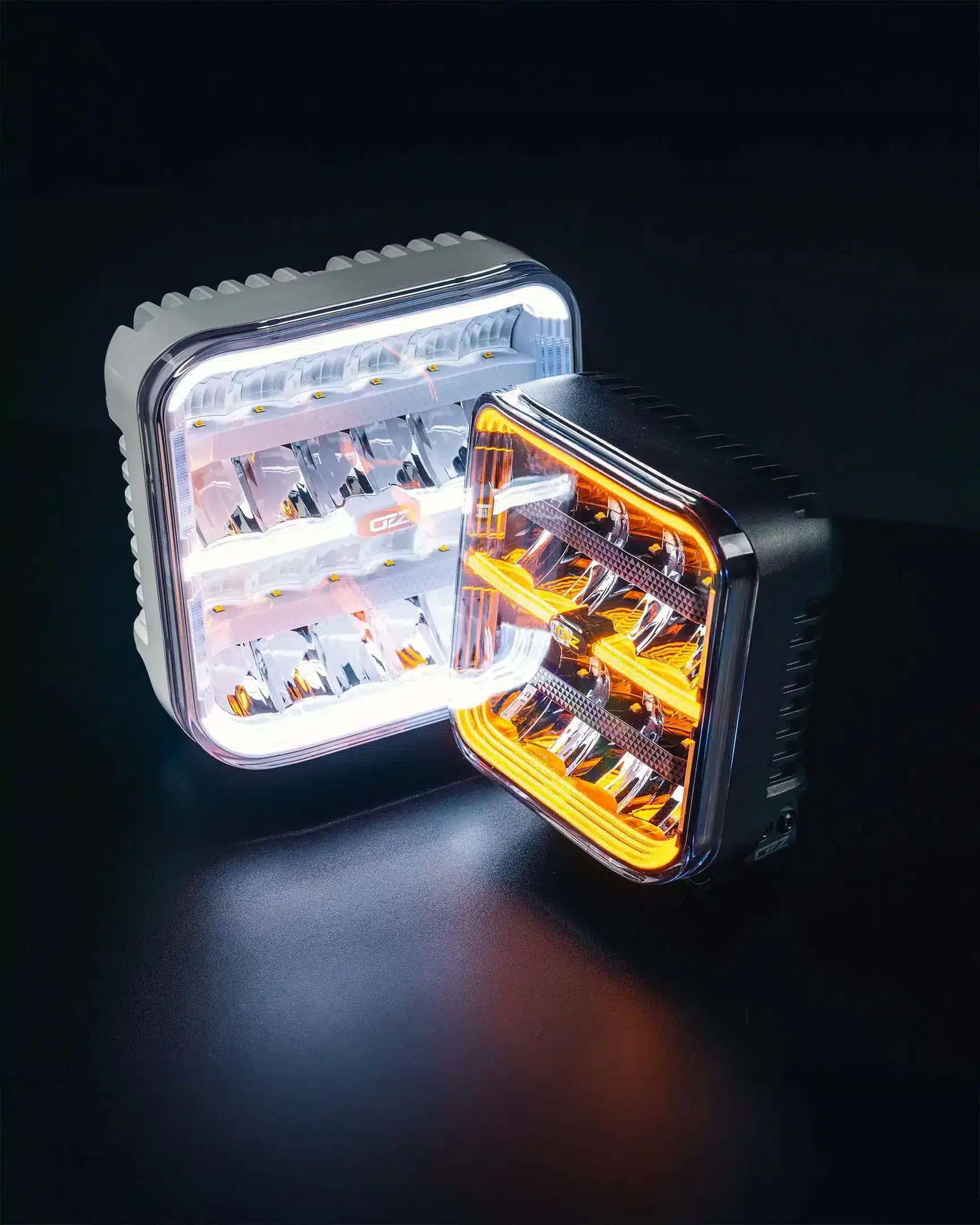
Per-platform guides
The platform you're fitting to changes the install:
- **Land Rover Defender** (L663) — 48V mild-hybrid, CAN-bus monitoring, careful retrofits only - **Jeep Wrangler** (JL) — factory AUX switch bank, retrofit-ready architecture - **Toyota Land Cruiser** (70 / 200 / 250 / 300) — extensive variation between models, simpler on the 70
Each guide covers the platform-specific fuse blocks, mounting points, wiring routes and CAN-bus considerations. Click through for the brand you're working on.
Expedition vs. weekend
An expedition rig prioritises: redundancy (two of every critical lamp on separate fuses), serviceability (replaceable lenses and standard connectors), and modest brightness (the alternator on a 110-Ah expedition battery setup can't support 1500W of LED on top of a fridge and a winch).
A weekend rig prioritises: peak brightness (because a Saturday-night session with friends is when the bar earns its keep), aesthetic (RGB DRL strips on bull bars, flashing under-body strips, etc.), and mounting flexibility.
We cater to both. The rule we apply: weekend rigs sometimes get the budget brands at the customer's request; expedition rigs always get the full-spec OZZ / Stratos kit, because a remote breakdown is the worst possible outcome.
An expedition lamp that fails in Tanzania doesn't get a replacement on Tuesday. Buy redundancy, not lumens.