
ECE Regulation
ECE R149 — unified road-illumination regulation.
R149 is the companion to R148. It consolidates the regulations for headlamps, front fog lamps, cornering lamps and similar road-illumination devices (the old R19, R98, R112, R113, R123) into one document. Same concept as R148 — the technical bar stays; the paperwork and approval process are streamlined.
Laatst bijgewerkt 24 april 2026
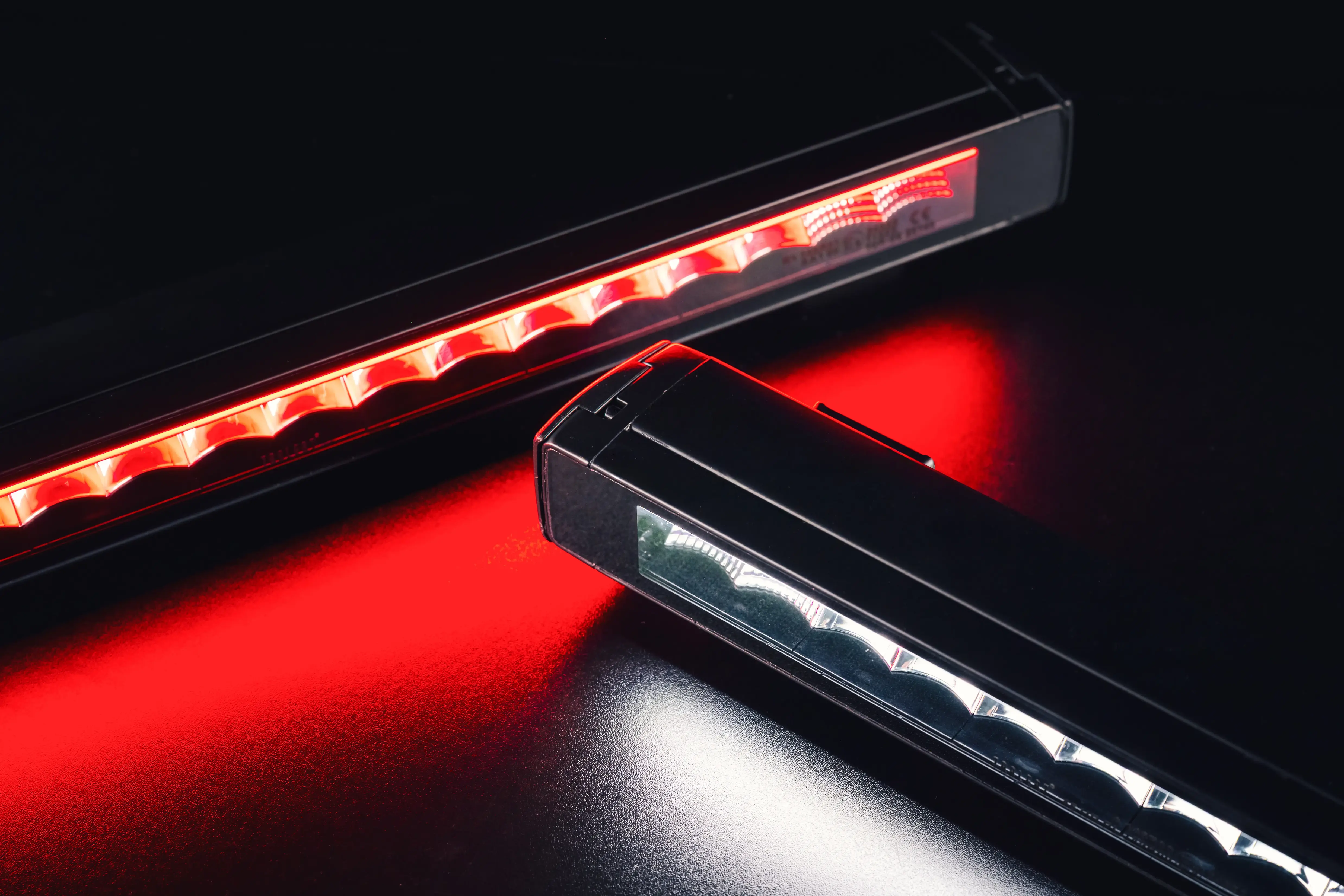
What R149 consolidates
Before R149, a headlamp that offered main-beam, dipped-beam and DRL functions needed separate type approvals:
- R112 for filament dipped-beam - R113 for symmetrical dipped-beam - R123 for adaptive front-lighting - R98 for gas-discharge sources - R87 for DRL
Under R149, one approval report covers all of that. The lamp is certified as a complete "road-illuminating device" rather than as individual functional lamps.
The regulation also anticipates what comes next: Matrix LED, LiDAR-paired adaptive headlamps, laser-assisted high-beams. These were being retrofitted into the old regulations with endless amendments; R149 has a cleaner structure for future technology.
Timeline and transition
R149 entered into force for new vehicle type approvals in September 2023. Existing vehicle types can continue to be produced under the older regulations until the end of their production run. New aftermarket lamps introduced from 2024 onward are R149-approved.
For a retrofit installer, the practical question is: "which regulation should the replacement lamp carry?" The safe answer is either — both are valid until 2027 at minimum. An R112-approved dipped-beam fitted in a 2015 truck remains fully road-legal; an R149 replacement is equally compliant.
The light-distribution tests
R149 inherits the core photometric tests from its predecessors. Dipped-beam patterns are measured against a projection screen with specified "zones": zones that must be bright (for road illumination), zones that must be dim (to avoid dazzling oncoming drivers), and a sharp cut-off.
What changed is the test methodology for adaptive beams — Matrix-LED headlamps that selectively dim parts of the beam around other road users. The old regulations couldn't cope with a beam that wasn't static; R149 defines a standardised "dynamic" test cycle.
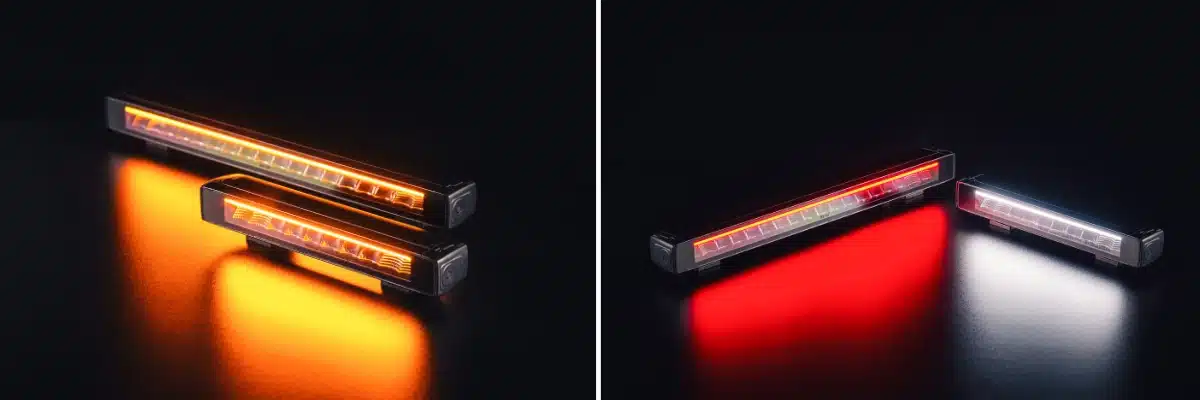
What this means for aftermarket light bars
Auxiliary LED light bars — the 20" to 50" bars fitted on top of a cab for off-road use — are a grey area. On a public road the bar must be switched off or masked. Off-road use is generally permitted but varies by country.
R149 does not change that split; it just consolidates the approval process for the bar itself. Our light bars carry R112/R10 approvals (the older regulations), which remain valid. New bars entering the catalogue from 2026 will carry R149 marks instead.
The rule for the operator stays unchanged: bars on, off-road. Bars off or covered, on-road. Nothing in R149 relaxes that.