
ECE Regulation
ECE R7 — position lamps, stop lamps, end-outline markers.
R7 is the baseline certification for every lamp that simply makes a vehicle visible: front and rear position lamps, stop lamps, and end-outline marker lamps. It is the most-cited regulation on product spec-sheets because most lamps on most trucks fall under it.
Laatst bijgewerkt 24 april 2026
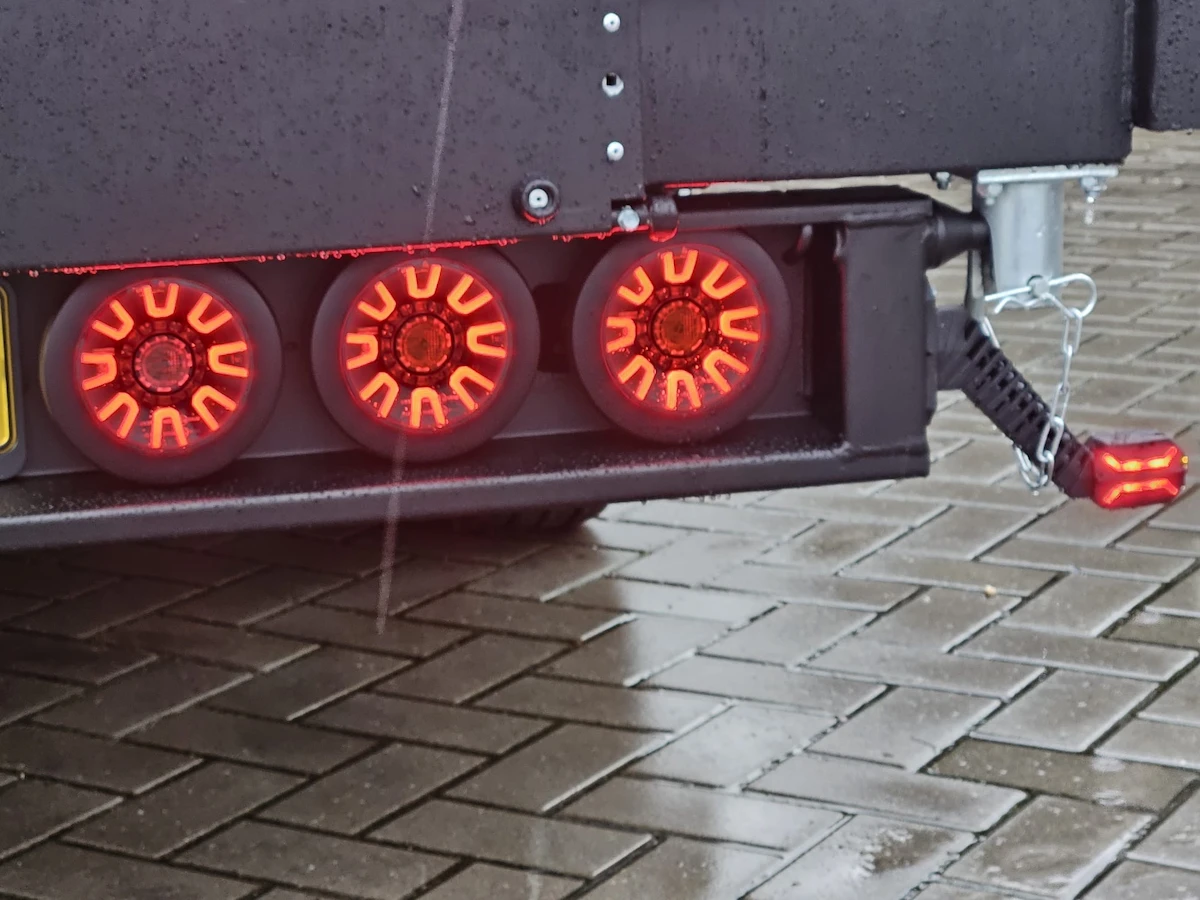
Lamp categories under R7
R7 groups visibility lamps into four categories:
- **Front position lamps** — white, at least two per vehicle, visible at 150 m - **Rear position lamps** — red, at least two per vehicle, visible at 150 m - **Stop lamps** — red, minimum 60 cd, maximum 185 cd, switched with the brake pedal - **End-outline marker lamps** — front white, rear red, mandatory on vehicles wider than 2.1 m
Each category has its own photometric table. A lamp can be approved for multiple categories at once (a combined stop-and-position lamp is common on trailers) but its R7 mark has to list both.
Photometric range
R7 specifies minimum and maximum luminous intensity per viewing angle. Too dim is a safety issue; too bright is a dazzle issue. The test chamber measures output across a ±80° horizontal arc and ±15° vertical arc.
Stop lamps have the widest range (60–185 cd) because they must stand out against continuously-lit position lamps. LED stop lamps typically sit around 80–120 cd — bright enough to be unmistakable, dim enough to not blind a following driver.
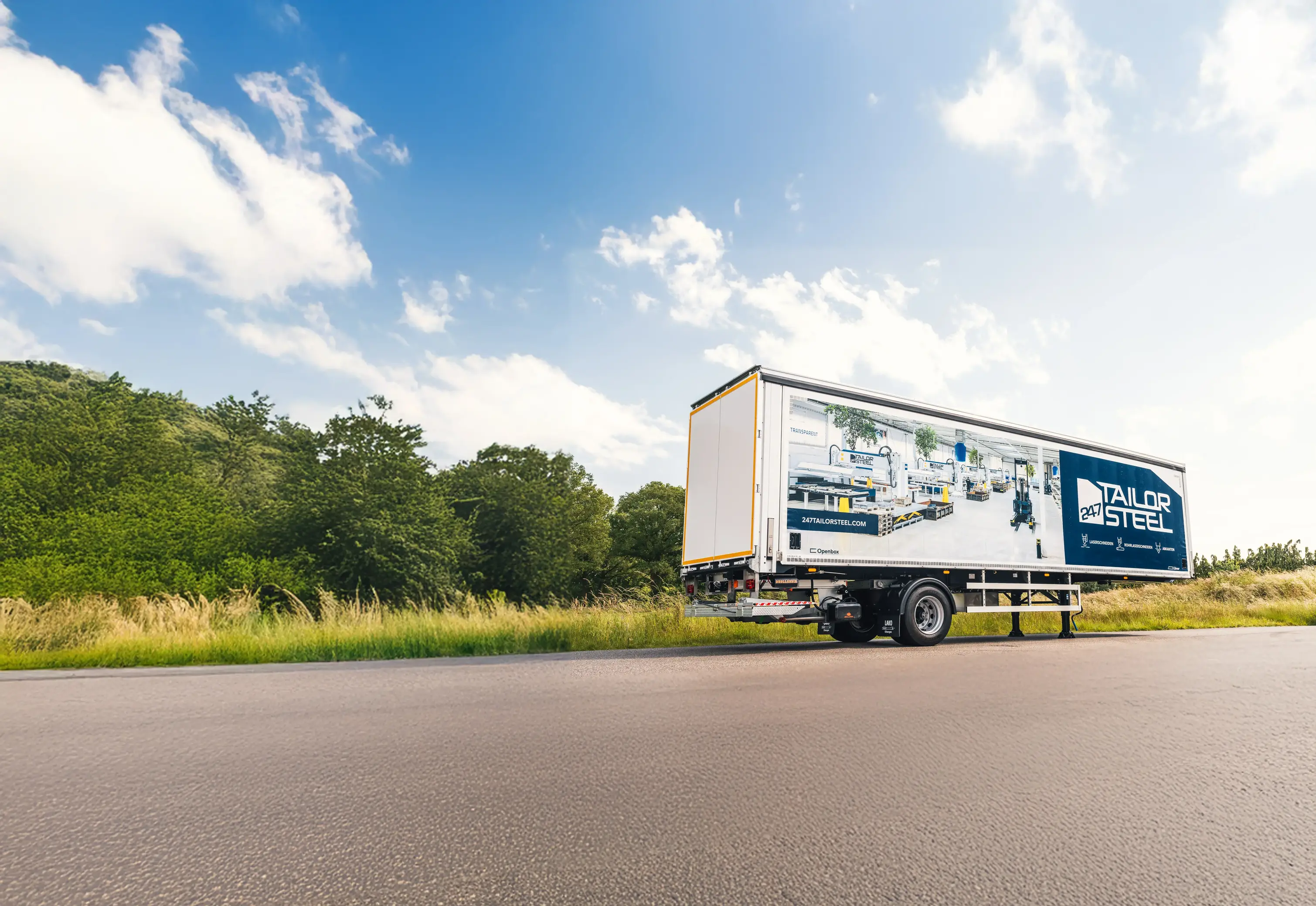
Common categories on real vehicles
On a typical tractor-trailer combination you'll find R7 lamps at:
- Cab front — two position lamps (one either side of the grille) - Cab rear/trailer front — two white end-outline markers on the roofline - Trailer sides — orange side-marker lamps every 3 m - Trailer rear — twin red position/stop combos, plus red end-outline markers at the top corners - Trailer rear — licence-plate lamp (certified under R4, not R7, but the two are usually installed together)
Every one of these needs both an R7 approval and an R10 approval.
LED vs. filament — what changed
R7 does not mandate a technology. Incandescent, halogen, and LED lamps are all acceptable provided they hit the photometric curve.
The practical difference: LED position lamps last 50,000+ hours and draw 10% of the current of a filament bulb. On a 20-trailer fleet, switching from filament to LED position lamps typically saves one night-time roadside call-out per month.